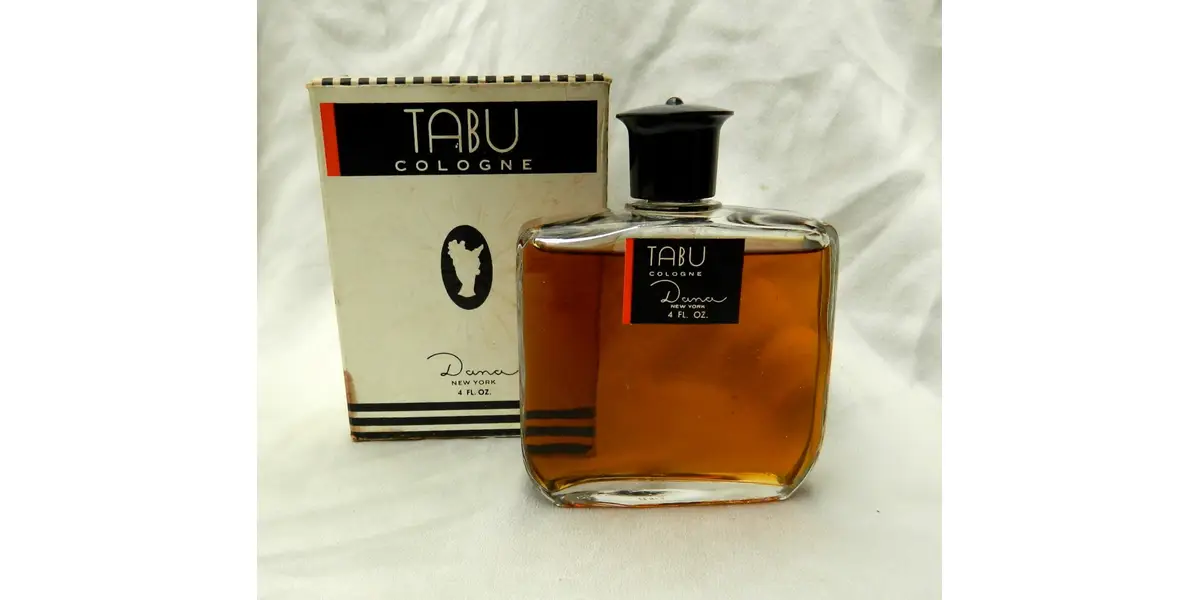
Tabu
Tabu scores 7/10 for longevity and performs best in Mild conditions.
Fragrance Notes
From the first impression to the lasting trail.
Top notes
The first impression
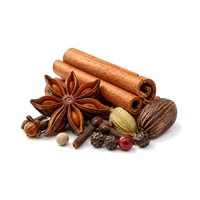
Heart notes
The character of the scent
Base notes
The lasting impression
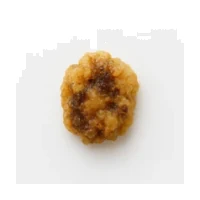
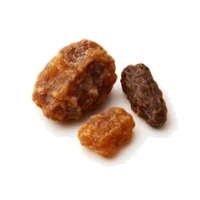
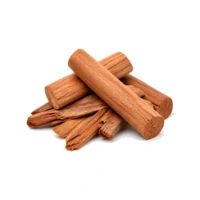
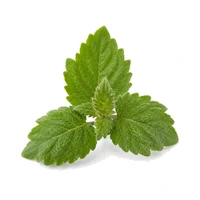
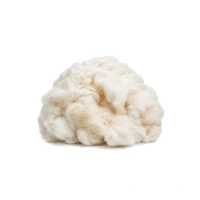
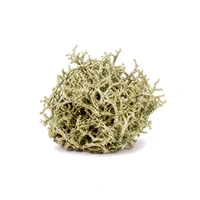
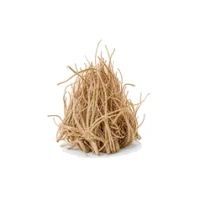
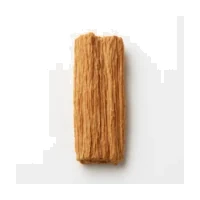
Notes unfold and overlap differently on every skin.
Occasions & Seasons
Climate Performance
Avg 6.2 / 10Expert Analysis
A vintage classic with a bold, spicy character.
Best suited for cooler evenings.
A more daring alternative to modern floral scents.
The use of civet is controversial.
Dana Tabu: The Case for the Smarter Bottle
Clone houses live or die on one question: does the wearer stop noticing the price difference? With Tabu — an EDT from Dana built on warm spicy, amber — the answer, backed by the DNA-match and performance data below, is closer to yes than the price tag suggests.
A vintage classic with a bold, spicy character.
Tabu Notes Breakdown
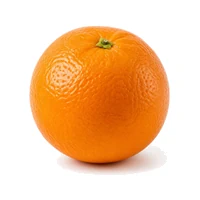
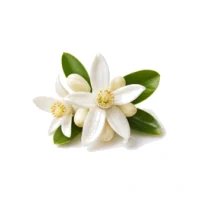
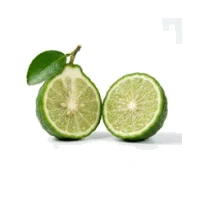
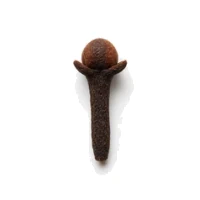
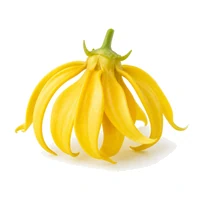
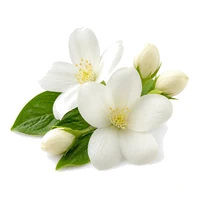
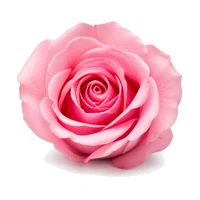
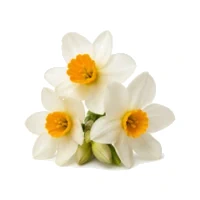
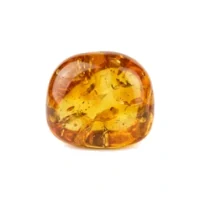
Tabu opens with spices, orange, coriander, neroli and bergamot — the first impression as it hits the skin. Once that burns off, usually inside the first half hour, the heart turns to cloves, ylang-ylang, jasmine, rose and narcissus. The final act — the part that outlasts the working day — is amber, civet, benzoin, sandalwood, patchouli, musk, oakmoss, vetiver and cedar.
Strip it back to the bones and the profile reads warm spicy, amber — close enough to its inspiration to scratch the same itch.
Performance: Longevity, Sillage & Versatility
Longevity (7/10): Tabu delivers strong longevity for EDT. On most skin types expect 5–8 hours. A midday touch-up is rarely necessary but can extend the experience on special occasions.
Sillage (6/10): Tabu projects at a social distance, noticeable without overwhelming. Application to pulse points — wrists, neck, and behind the ears — maximises projection without overwhelming the room.
Versatility (5/10): Tabu is suited to a specific context, with a clearly defined personality that not all occasions can accommodate. It thrives in its intended context but may feel mismatched further outside that sweet spot.
Value (7/10): Pricing at around $50 feels appropriate for what you get — neither a bargain nor an overreach.
Climate Performance: Where Tabu Works Best
Of the five climate zones we score, Tabu does best in mild (Islamabad, San Francisco) at 8/10 — it keeps its shape there instead of turning sharp or fading fast. The number to watch is extreme heat (Riyadh, Phoenix) at 4/10, where you are better off reaching for something else.
Best suited for cooler evenings.
Its average across all five zones is 6.2/10 — broad enough to wear most of the year without second-guessing the weather.
To see how it ranks against every other fragrance for your conditions, run the Climate Matcher.
When to Wear Tabu
Tabu is best suited to Evening, Special Occasions. Its projection is calibrated for the occasions listed — confident enough to register, controlled enough to remain appropriate in close quarters.
Seasonally, Tabu performs best in Fall, Winter. The climate data supports this range, though performance at the extremes — deep cold or intense heat — may vary.
A more daring alternative to modern floral scents.
What Tabu Costs — and Whether It Is Worth It
Internationally, Tabu sits at $50–$80. That is a genuinely accessible price point — a bottle that can be worn daily and repurchased without ceremony.
Regional pricing: PKR 14,000–22,000 in Pakistan, AED 180–300 in the UAE, ₹4,000–₹6,500 in India. The currency switcher at the top of this page converts every price on the site — EUR, GBP, SAR and more — using current rates.
Where to buy: Internationally: Online Retailers. GCC/UAE: None. Pakistan: Naheed.
Verdict
Tabu makes the case that the clone fragrance has evolved beyond mere imitation — it is now a legitimate category on its own terms.
An overall 6.2/10 puts Tabu in solid-but-situational territory: strong where it is strong, ordinary elsewhere. Match it to the right season and occasion and it pays off.
The use of civet is controversial.
Still deciding? Put it head-to-head against anything else in the database — scores, notes and prices side by side.
Frequently Asked Questions
How long does Tabu last?
Tabu has a longevity score of 7/10. On average skin, expect 5–8 hours. Performance can vary with skin type, application method, and ambient temperature — heat accelerates diffusion while dry skin absorbs fragrance faster.
Is Tabu worth the price?
At around $50, Tabu by Dana is fairly priced for what it delivers. Its performance scores, climate range, and composition quality make it a strong value proposition.
What does Tabu smell like?
Tabu is characterised by warm spicy, amber accords. Opening with spices and orange, the heart revolves around cloves and ylang-ylang, settling into a base of amber and civet.
Is Tabu good for hot or humid weather?
Tabu was not designed for extreme heat (score: 5/10). In genuinely hot climates, reserve it for cooled indoor environments or evening wear.
Is Tabu for men or women?
Tabu is marketed as a Women fragrance. That said, its composition sits comfortably outside rigid gender categories — many of its most devoted wearers treat the label as irrelevant.