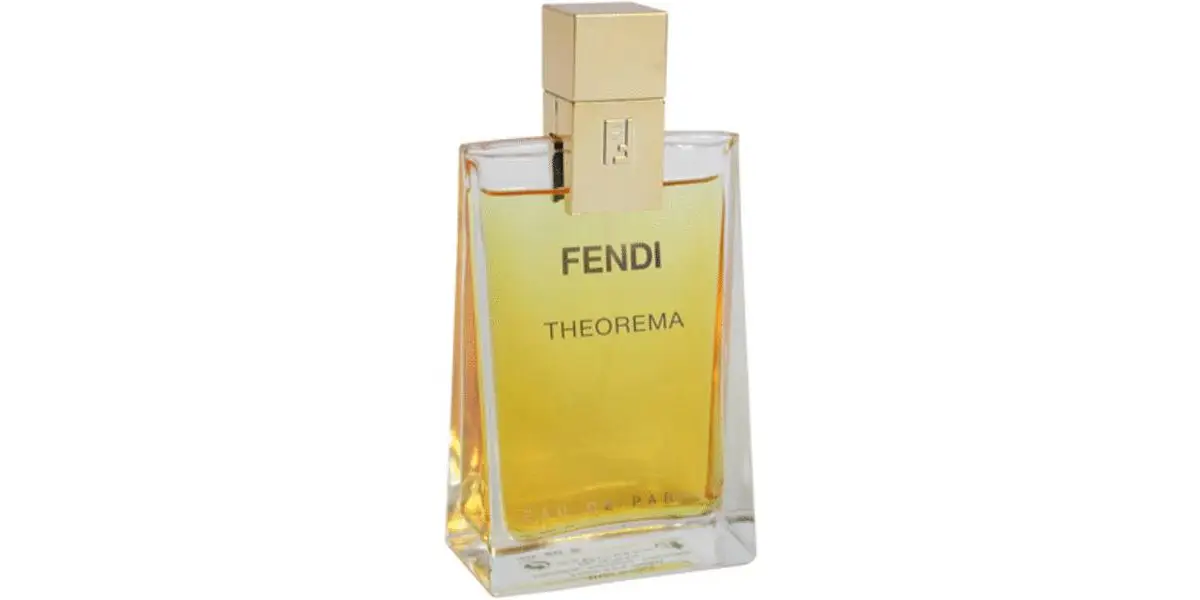
Fendi Theorema
Fendi Theorema scores 8/10 for longevity and performs best in Cold conditions.
Fragrance Notes
Occasions & Seasons
Climate Performance
Avg 6 / 10Expert Analysis
A beloved, discontinued masterpiece, offering a unique blend of warm spices, woods, and a hint of fruity-floral sweetness.
The rich, warming spices and amber are too potent for hot climates, best enjoyed during cooler months or air-conditioned settings.
Often cited as a more refined and less aggressive spicy oriental compared to classics like Opium, with a unique warmth.
Its discontinuance is a perpetual source of frustration for fragrance enthusiasts, leading to inflated prices on the secondary market.
Fendi Theorema, Reviewed by the Numbers
Every fragrance review promises honesty; few bring receipts. For Fendi Theorema — the 1998 EDP from Fendi built on Warm Spicy, Woody, Amber, Sweet, Cinnamon — the receipts are climate scores, longevity hours and price-per-bottle across markets. They are all below, and they tell a clearer story than any list of adjectives.
A beloved, discontinued masterpiece, offering a unique blend of warm spices, woods, and a hint of fruity-floral sweetness.
Fendi Theorema Notes Breakdown
Fendi Theorema opens with Nutmeg, Orange Blossom, Cardamom and Pink Pepper — an assertive first impression that carries across a room. As the opening settles, the composition pivots to its heart of Cinnamon, Spices, Osmanthus and Rose. Hours in, what remains is the foundation: Amber, Guaiac Wood, Sandalwood and Benzoin.
Strip it back to the bones and the profile reads Warm Spicy, Woody, Amber, Sweet, Cinnamon — easy to place and easy to wear.
Longevity & Projection: Fendi Theorema on the Clock
Longevity (8/10): Fendi Theorema delivers strong longevity for EDP. On most skin types expect 8–12 hours. A single morning application typically carries through well into the evening without reinforcement.
Sillage (7/10): Fendi Theorema projects as a confident aura, detectable by those nearby. Application to pulse points — wrists, neck, and behind the ears — maximises projection without overwhelming the room.
Versatility (6/10): Fendi Theorema is context-aware, performing well across a range of situations without feeling mismatched. It thrives in its intended context but may feel mismatched further outside that sweet spot.
Value (8/10): At around $80, Fendi Theorema delivers significantly more than its price tag suggests — one of the better value propositions in its category.
Fendi Theorema Across Five Climate Zones
Of the five climate zones we score, Fendi Theorema does best in cold (Murree, New York) at 9/10 — it keeps its shape there instead of turning sharp or fading fast. The number to watch is extreme heat (Riyadh, Phoenix) at 3/10, where you are better off reaching for something else.
The rich, warming spices and amber are too potent for hot climates, best enjoyed during cooler months or air-conditioned settings.
That is a structural result rather than a flaw — Orange Blossom evaporates fast in heat, so what is left on skin by midday is a fraction of what you sprayed.
Its average across all five zones is 6/10 — broad enough to wear most of the year without second-guessing the weather.
To see how it ranks against every other fragrance for your conditions, run the Climate Matcher.
When to Wear Fendi Theorema
Fendi Theorema is best suited to Evening, Special Occasion, Autumn Day. Its projection is calibrated for the occasions listed — confident enough to register, controlled enough to remain appropriate in close quarters.
Seasonally, Fendi Theorema performs best in Autumn, Winter. The climate data supports this range, though performance at the extremes — deep cold or intense heat — may vary.
Often cited as a more refined and less aggressive spicy oriental compared to classics like Opium, with a unique warmth.
Price & Value
Internationally, Fendi Theorema sits at $80–$150. That is mainstream designer territory — an accessible price for a fragrance intended for regular rotation.
Regional pricing: PKR 15,000–25,000 in Pakistan, AED 300–500 in the UAE. The currency switcher at the top of this page converts every price on the site — EUR, GBP, SAR and more — using current rates.
Where to buy: Internationally: Discontinued, online resellers. GCC/UAE: Discontinued, online resellers. Pakistan: Discontinued, online resellers.
Verdict
Fendi Theorema earns its place in the conversation through consistent performance, a clear identity, and data that backs the reputation.
An overall 7/10 puts Fendi Theorema in solid-but-situational territory: strong where it is strong, ordinary elsewhere. Match it to the right season and occasion and it pays off.
Its discontinuance is a perpetual source of frustration for fragrance enthusiasts, leading to inflated prices on the secondary market.
Still deciding? Put it head-to-head against anything else in the database — scores, notes and prices side by side.
Frequently Asked Questions
How long does Fendi Theorema last?
Fendi Theorema has a longevity score of 8/10. On average skin, expect 8–12 hours. Performance can vary with skin type, application method, and ambient temperature — heat accelerates diffusion while dry skin absorbs fragrance faster.
Is Fendi Theorema worth the price?
At around $80, Fendi Theorema by Fendi is an excellent value for its price category. Its performance scores, climate range, and composition quality make it a strong value proposition.
What does Fendi Theorema smell like?
Fendi Theorema is characterised by Warm Spicy, Woody, Amber, Sweet, Cinnamon accords. Opening with Nutmeg and Orange Blossom, the heart revolves around Cinnamon and Spices, settling into a base of Amber and Guaiac Wood.
Is Fendi Theorema good for hot or humid weather?
Fendi Theorema was not designed for extreme heat (score: 4/10). In genuinely hot climates, reserve it for cooled indoor environments or evening wear.
Is Fendi Theorema for men or women?
Fendi Theorema is marketed as a Feminine fragrance. The composition, while marketed to women, has qualities that cross traditional boundaries — nuance and restraint rather than sweetness and convention.